Can a Remote Self-Storage Facility Outperform a Fully Staffed Location?
Technology has changed what it means to operate a storage facility. Today, many successful operators manage facilities remotely using cloud-based software, automated payments, digital leases, and customer support teams. But is remote management right for every facility? The answer depends on location, customer demographics, and operational goals. Fourside Solutions explores the advantages and tradeoffs of remote versus manned facilities in our latest article.
#SelfStorage #RemoteManagement #StorageTechnology #StorageSoftware
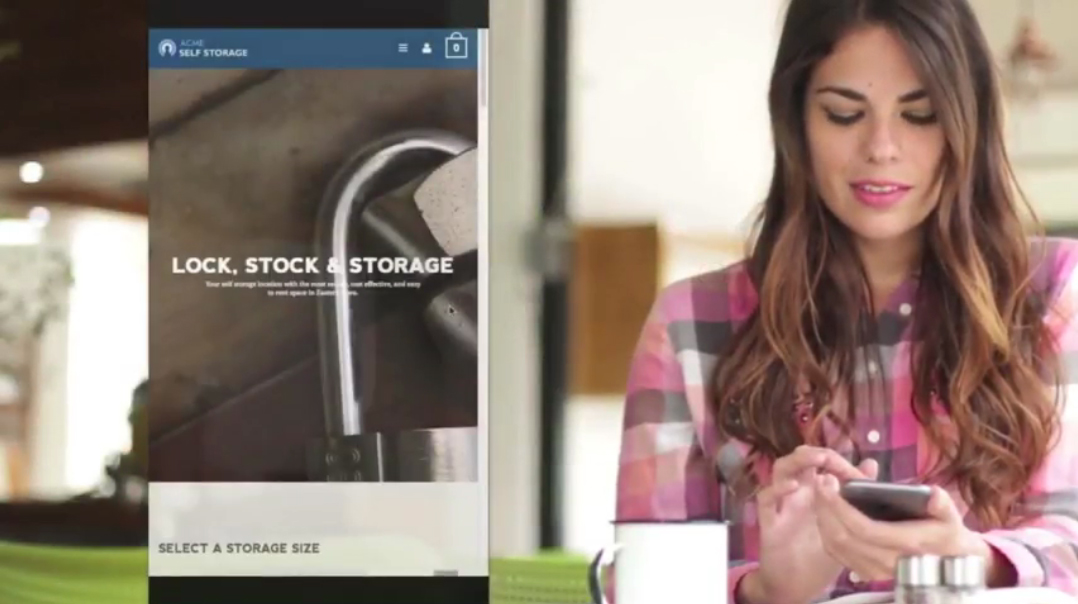
Over the last decade, technology has dramatically changed the way self-storage facilities operate. Tasks that once required a full-time manager sitting in an office can now be handled through online rentals, automated payment processing, electronic leases, remote gate access, and cloud-based management software.
As a result, many owners entering the self-storage industry are asking the same question: Is it still necessary to have an on-site manager, or can a facility be operated remotely? The answer depends on the market, the size of the facility, and the owner’s business objectives. While both approaches have advantages, understanding the strengths and limitations of each can help operators make better long-term decisions.
The Traditional Manned Storage Model
For decades, the standard operating model for self-storage facilities included a full-time manager working on-site. The manager was responsible for showing units, signing leases, collecting payments, answering customer questions, handling delinquent accounts, and monitoring the property throughout the day. This model made sense when customers expected face-to-face service and when most business transactions occurred during normal office hours. If a customer wanted to rent a unit, they typically had to visit the facility, complete paperwork, and make a payment in person.
Many larger facilities still utilize on-site managers today because they provide a visible presence and can quickly address customer concerns. In some markets, particularly those serving older demographics, personal service remains an important factor in customer satisfaction.
The Rise of Remote Management
Technology has changed customer expectations. Today’s consumers are accustomed to renting apartments, booking travel, ordering products, and paying bills online. They increasingly expect the same convenience when renting a storage unit.
Modern storage management platforms now allow customers to complete nearly every aspect of the rental process without ever stepping into an office. Prospective tenants can browse available units, compare pricing, sign leases electronically, make payments, and receive gate access credentials from their smartphone or computer.
For owners, this means many of the administrative tasks that once consumed a manager’s day can now be automated. As software capabilities continue to improve, remote management has become a practical option for facilities of nearly every size.
The Financial Impact of Remote Operations
One of the most compelling reasons operators consider remote management is the potential reduction in operating expenses. Payroll is often among the largest controllable expenses for a storage facility. When salaries, benefits, payroll taxes, and training costs are combined, staffing expenses can significantly impact profitability.
Remote operations allow owners to redirect those resources toward marketing, facility improvements, expansion projects, or debt reduction. In many cases, the cost of a comprehensive management platform is substantially less than maintaining full-time on-site personnel.
This doesn’t mean eliminating customer service. Rather, it means leveraging technology to handle routine tasks while allowing staff to focus on exceptions and customer needs that genuinely require personal attention.
The Customer Convenience Advantage
One of the biggest benefits of remote management is flexibility. Traditional office hours may be convenient for facility employees, but they are not always convenient for customers. Many renters search for storage after work, on weekends, or late at night when moving plans suddenly change. A facility that requires a customer to wait until the office opens may lose business to a competitor that offers online rentals.
Facilities with fully integrated online systems often discover that a surprising percentage of rentals occur outside normal business hours. These customers may never have rented at all if they had been required to wait until the next day to complete the transaction. By allowing customers to rent when it is convenient for them, operators can increase occupancy while improving the overall customer experience.
On-Site Management Still Adds Value
Despite the advantages of automation, on-site management continues to offer important benefits in certain situations. Facilities located in highly competitive markets may differentiate themselves through exceptional personal service. Larger facilities may also benefit from having staff available to assist customers, oversee maintenance activities, and monitor day-to-day operations. Additionally, some customers simply prefer interacting with a person. They may have questions about unit sizes, insurance requirements, or access procedures that are easier to answer through a conversation than through an online portal. For these reasons, many successful operators view staffing not as an all-or-nothing decision, but as part of a broader operational strategy.
The Hybrid Model: The Best of Both Worlds
Increasingly, the most successful storage operators are adopting a hybrid approach. Rather than choosing between fully remote or fully staffed operations, they combine automation with targeted customer support. In a hybrid model, software handles routine functions such as online rentals, recurring payments, delinquency notifications, and customer communications. Staff members remain available to answer questions, resolve issues, and provide assistance when needed.
This approach allows facilities to reduce operating costs while still delivering the level of service many customers expect. It also provides greater scalability as owners expand into multiple locations.
Choosing the Right Model for Your Facility
There is no single operating model that works for every storage facility. A 50-unit rural property may function very differently from a 100,000-square-foot urban storage complex. Market demographics, competition, occupancy goals, and ownership preferences all influence the right decision.
The most important consideration is whether your operational model aligns with your customers’ expectations. Today’s renters increasingly value convenience, speed, and self-service capabilities. Facilities that make it easy to rent, pay, and manage accounts online often gain a competitive advantage regardless of whether they maintain an on-site manager.
A Solution for Success
The debate between remote and manned storage facilities is no longer about choosing one approach over the other. Instead, it is about determining how technology and human service can work together to create the most efficient and profitable operation possible. Facilities that embrace automation can reduce labor costs, streamline collections, improve customer convenience, and scale more effectively. At the same time, strategically deployed staff can continue to provide the personal touch that builds customer confidence and loyalty.
Storage management succeeds when operators have the right technology supporting every customer interaction. FourSide Solutions was designed to help facilities operate efficiently with fewer on-site staff by providing online rentals, secure payment processing, automated customer communications, and powerful management tools that keep operations running around the clock. Customers can reserve units, make payments, and manage their accounts online, while owners maintain visibility into occupancy, revenue, and daily operations from virtually anywhere. With the right systems in place, remote management becomes more than a cost-saving strategy—it becomes an opportunity to improve convenience for customers while increasing operational efficiency and profitability.
Recent Articles
Fourside vs. Storable Edge: Which Self-Storage Management Software Is Right for You?
Fourside Solutions vs. Storable Edge: Which self-storage management software is right for your facility? Compare pricing, online rentals, payment processing, website integration, reporting, automation, and customer support. Discover how Fourside’s $1-per-unit pricing and flexible payment processing make it an attractive Storable Edge alternative.
Fourside vs. SiteLink: Which Self-Storage Management Software Is Right for You?
Choosing between Fourside Solutions and SiteLink? Explore how these self-storage management platforms compare in pricing, online rentals, payment processing, website integration, reporting, and customer support. Discover why Fourside’s straightforward $1-per-unit pricing and integrated management tools make it an attractive alternative for storage operators looking to simplify operations and grow their business.
Why Fourside Solutions + Platinum Payments Is a Smarter Payment Processing Partnership for Self-Storage Operators
Discover how Fourside Solutions and Platinum Payments help self-storage operators reduce credit card processing costs, simplify merchant account setup, and improve payment management. With competitive processing rates, flexible agreements, and 24/7 support, this partnership offers a smarter approach to managing recurring rental payments and protecting facility revenue.